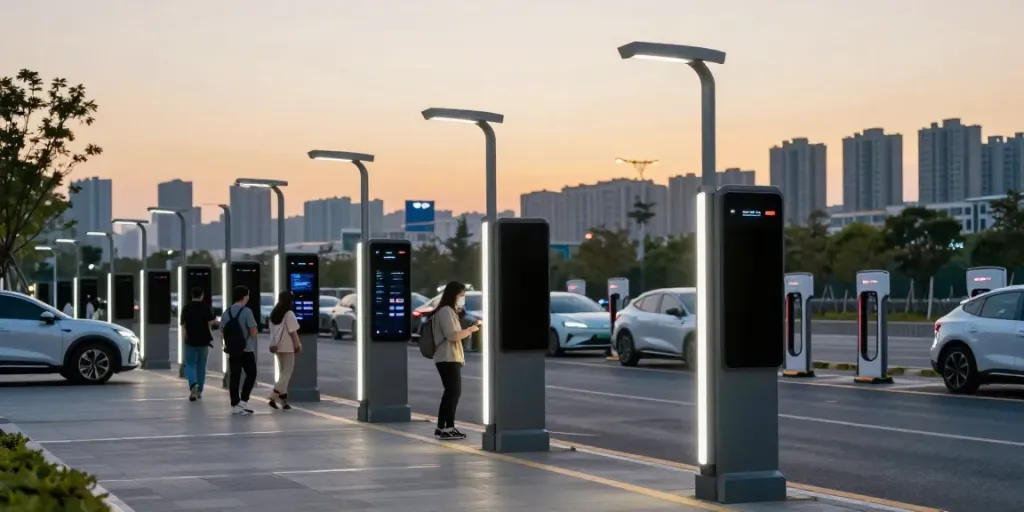
Understanding Smart Light Poles
Smart light poles are revolutionizing the way cities approach urban infrastructure. These multifunctional poles are not just traditional streetlights; they serve as essential hubs for various technologies, enhancing urban living and promoting sustainability. As urban populations continue to grow, integrating smart light poles into city planning can help address vital issues like energy consumption, public safety, and traffic management. When exploring options, Smart Light Poles provide comprehensive insights into potential implementations and benefits.
What are Smart Light Poles?
Smart light poles are advanced lighting solutions equipped with various technologies that enable them to perform multiple functions beyond illumination. These poles often incorporate elements such as LED lighting, Wi-Fi connectivity, environmental sensors, camera systems, and charging stations for electric vehicles. By integrating IoT (Internet of Things) capabilities, they transform into data-collecting and communication devices, fostering smarter, more connected urban spaces.
Technologies Behind Smart Light Poles
At the core of smart light pole technology are several key components:
- LED Lighting: Energy-efficient illumination that can be remotely controlled and adjusted based on real-time needs.
- Wireless Communication: Facilitates high-speed internet access, supporting various urban services and enabling connectivity for citizens.
- Environmental Sensors: Monitor air quality, temperature, and noise levels, providing critical data for city management and environmental assessments.
- Surveillance Cameras: Enhance public safety by providing security monitoring capabilities.
- Charging Stations: Allow for the charging of electric vehicles, promoting sustainable transportation solutions.
Benefits of Implementing Smart Light Poles
The benefits of smart light poles extend far beyond convenience and aesthetics. Some of the primary advantages include:
- Energy Efficiency: Smart light poles utilize LED technology and can adjust brightness in response to changing environmental conditions, significantly reducing energy consumption.
- Data Collection: These poles gather valuable data on traffic patterns, weather conditions, and pedestrian movement, assisting cities in making informed decisions.
- Enhanced Safety: The integration of cameras and sensors allows quicker response times to incidents, improving overall public safety.
- Cost Savings: Reduced energy usage and maintenance costs contribute to lower overall expenditures for municipalities.
Key Features of Smart Light Poles
Integrated Communication Systems
Smart light poles often feature integrated communication systems that connect various urban infrastructure components. This includes the provision of free Wi-Fi to citizens, which encourages local businesses and enhances the overall quality of life. Additionally, these systems can relay vital information to users, such as traffic updates and alerts regarding public transportation.
Sensors and Monitoring Capabilities
The array of sensors embedded in smart light poles allows cities to monitor multiple aspects of the urban environment. For example, air quality sensors can detect pollution levels, enabling city officials to implement measures to combat environmental issues. Noise sensors can help in managing disturbances in residential areas, fostering a better living environment for citizens.
Energy Efficiency and Sustainability
With an increasing emphasis on sustainability in urban development, smart light poles contribute significantly by reducing energy consumption. By utilizing solar power or wind energy, these poles promote renewable energy use and align with global sustainability goals. Additionally, the ability to adjust brightness based on real-time data minimizes unnecessary energy use, contributing to a greener environment.
Real-World Applications
Smart Cities and Urban Development
Many cities around the world are implementing smart light poles as part of their broader smart city initiatives. For instance, cities like Barcelona and Singapore have integrated these poles into their infrastructures, providing neighborhoods with improved lighting, connectivity, and environmental monitoring. Such developments not only enhance urban living but also attract businesses and tourism.
Enhancing Public Safety and Security
In terms of enhancing public safety, smart light poles equipped with surveillance cameras and emergency call buttons can significantly improve crime prevention. Cities can reduce response times by integrating these poles into their existing security frameworks, allowing for real-time monitoring and response actions to be taken swiftly.
Improving Traffic and Pedestrian Management
Smart light poles play a crucial role in traffic management by integrating with existing traffic systems. For example, they can monitor vehicle flow and adjust traffic signals or streetlight brightness accordingly to optimize traffic patterns. This capability not only enhances traffic efficiency but also improves pedestrian safety by providing better visibility during peak hours.
Challenges and Considerations
Common Misconceptions about Smart Light Poles
Despite their benefits, there are common misconceptions that may hinder the adoption of smart light poles. One prevalent myth is that they are too expensive to implement. While the initial investment may be higher than traditional poles, the long-term savings in energy and maintenance costs often outweigh the upfront expenses. Additionally, the data privacy concern is frequently overstated; current regulations ensure that data collected is anonymized and used solely for urban management improvements.
Implementation Challenges
Implementing smart light poles requires careful planning and coordination among various city departments. Challenges may arise from existing infrastructure, as integrating new technology with older systems can be complex. Furthermore, securing funding and managing the installation of these poles in urban environments can pose logistical hurdles.
Maintenance and Upkeep
Maintenance of smart light poles also presents challenges. With multiple technologies integrated into a single unit, servicing these poles requires specialized knowledge and equipment. Municipalities must invest in training personnel or contracting with companies that can handle both the lighting and technology components effectively.
Future Trends and Innovations
Emerging Technologies in Smart Light Poles
The future of smart light poles is bright, with innovations on the horizon. The integration of artificial intelligence (AI) and machine learning will enable these poles to learn from the data they collect, improving their efficiency and functionality over time. For example, AI can help predict maintenance needs or adjust lighting based on pedestrian presence, further enhancing energy savings.
Predicted Developments for 2026 and Beyond
As we look toward 2026, smart light poles are expected to evolve in response to emerging technologies such as 5G connectivity. This will enhance the poles' capabilities, allowing for faster data transmission and expanded functionalities. Cities will increasingly adopt these innovations, leading to more interactive and responsive urban environments.
How Smart Poles Will Shape Future Urban Environments
In conclusion, smart light poles will undoubtedly shape the future of urban environments by promoting sustainability, enhancing public safety, and improving the quality of life for residents. As cities worldwide continue to embrace smart technologies, the role of these poles as multifunctional infrastructure will become increasingly vital, ushering in a new era of urban living.