Understanding Aerospace CNC Machining
In the fast-evolving aerospace industry, precision and reliability are paramount. CNC machining has emerged as a transformative technology, enabling manufacturers to produce high-quality components that meet the stringent standards of the sector. With a focus on professional services since 2003, Honscn has established itself as a leading player in the field, providing customized solutions that cater to the unique needs of aerospace applications. When exploring options, leading aerospace cnc parts manufacturers like Honscn offer invaluable insights into the complexities of aerospace machining.
What is CNC Machining in Aerospace?
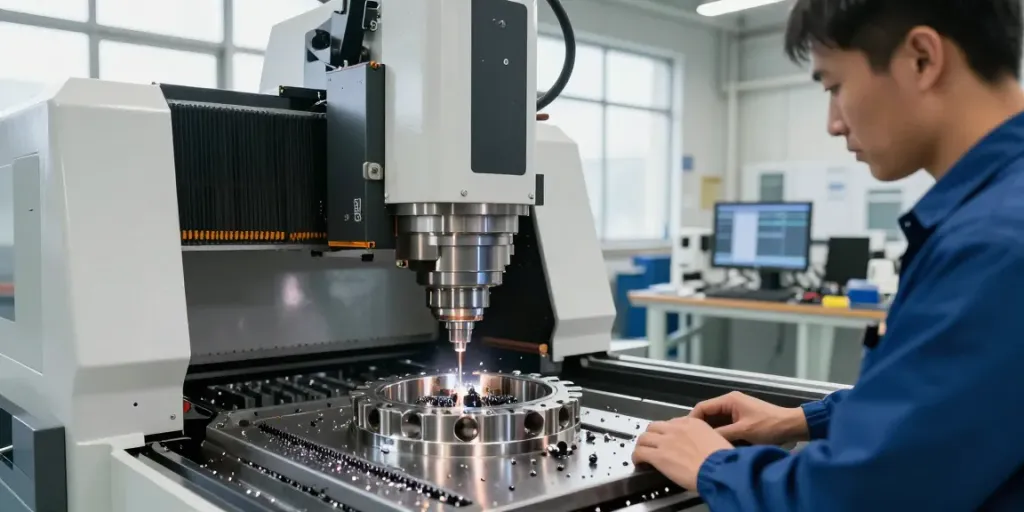
CNC (Computer Numerical Control) machining refers to the automated process of controlling machine tools through computer systems. In aerospace, this technology is utilized to create precision components essential for aircraft and spacecraft. From engine parts to structural components, CNC machining ensures that each piece adheres to rigorous safety and quality standards.
The process involves programming a computer to manipulate tools such as lathes, mills, and routers to shape materials accurately. With advanced software, manufacturers can design complex geometries that would be impossible to achieve with traditional machining methods. This level of precision is critical in aerospace, where even the slightest deviation can lead to catastrophic failures.
Benefits of CNC Machining for Aerospace Parts
- Precision and Accuracy: CNC machining offers exceptionally high precision, producing components that meet tight tolerances, a necessity in the aerospace field.
- Complex Geometries: The ability to create complex shapes and features simplifies the manufacturing of intricate components, enhancing performance and reliability.
- Consistency and Repeatability: With CNC machining, each part is manufactured identically, ensuring uniform quality across mass production runs.
- Efficiency: CNC machines operate rapidly and can run 24/7, significantly reducing production timelines.
- Material Versatility: CNC machining can work with a wide range of materials, including metals and advanced composites, crucial for modern aerospace applications.
Materials Commonly Used in Aerospace Machining
The aerospace industry relies on a variety of materials to manufacture components that withstand extreme conditions. Some of the most common metals include:
- Aluminum Alloys: Lightweight yet strong, aluminum is widely used in aircraft structures and components.
- Titanium: Known for its excellent strength-to-weight ratio and corrosion resistance, titanium is used in critical components like engine parts.
- Stainless Steel: This material is favored for its durability and resistance to corrosive environments.
- Nickel Alloys: Nickel-based superalloys are essential for components exposed to high temperatures, such as turbine blades.
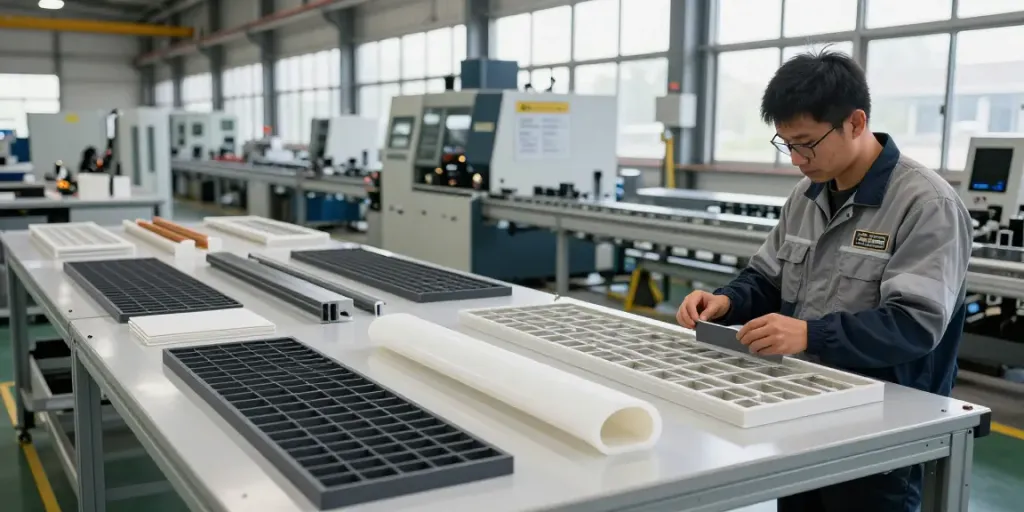
Furthermore, a wide range of plastics is also used in aerospace applications, including:
- PP (Polypropylene)
- PU (Polyurethane)
- PC (Polycarbonate)
- PS (Polystyrene)
- PVC (Polyvinyl Chloride)
- ABS (Acrylonitrile Butadiene Styrene)
- PET (Polyethylene Terephthalate)
- PMMA (Polymethyl Methacrylate)
- PE (Polyethylene)
- HDPE (High-Density Polyethylene)
- PEEK (Polyether Ether Ketone)
- POM (Polyoxymethylene)
Key Players in the Aerospace CNC Manufacturing Industry
Leading Aerospace CNC Parts Manufacturers Overview
The demand for precision components has led to the emergence of several reputable manufacturers in the aerospace sector. Companies like Boeing, Lockheed Martin, and Honscn have established themselves as leaders by consistently delivering high-quality products that adhere to strict compliance standards.
These manufacturers utilize advanced CNC machining technologies to ensure that all components meet the stringent regulations of aviation authorities. Their commitment to quality is evident in their certifications, including AS9100 and ISO 9001, which signify adherence to international quality management standards.
Comparison of Top Competitors in 2026
As of 2026, the competitive landscape for aerospace CNC manufacturing has intensified. Key players such as Ardel Engineering and Owens Industries have established strong positions by leveraging innovative technologies and strategic partnerships. Comparing their capabilities reveals strengths in different areas:
- Ardel Engineering: Known for its precision CNC machining and custom part manufacturing, Ardel focuses on high-tolerance engineering components.
- Owens Industries: Specializing in rapid prototyping and production runs, Owens has developed a reputation for efficient turnaround times without compromising quality.
- Honscn: With over two decades of experience, Honscn offers a comprehensive suite of machining services, including CNC milling, turning, and injection molding.
Industry Certifications and Standards
Maintaining compliance with industry certifications is crucial for aerospace manufacturers. The AS9100 standard, specifically tailored for the aerospace sector, incorporates quality management principles with an emphasis on safety and reliability. Manufacturers must undergo rigorous audits to demonstrate their commitment to quality, paving the way for long-term success in this highly competitive market.
Innovations Shaping Aerospace CNC Machining
Advanced Technology Trends in CNC Machining
The aerospace industry is witnessing rapid technological advancements that are revolutionizing CNC machining processes. Trends such as additive manufacturing (3D printing) and advanced simulation software are playing a significant role in enhancing design and production capabilities.
These technologies enable manufacturers to create lightweight components with complex geometries while reducing material waste. The integration of Industry 4.0 practices, including IoT and data analytics, is further optimizing machining processes by facilitating real-time monitoring and predictive maintenance of machines.
Impact of AI and Automation on Manufacturing
Artificial intelligence (AI) is becoming increasingly integral to CNC machining, with applications in predictive analytics, quality assurance, and operational efficiency. Automated systems can analyze data from production processes, identifying patterns that lead to increased efficiency and reduced downtime.
Moreover, AI-driven robotics are taking on repetitive tasks, allowing human operators to focus on more complex problem-solving activities. This synergy between human expertise and machine efficiency enhances production capabilities while maintaining high standards of quality and innovation.
Future Material Developments for Aerospace Parts
As the aerospace industry continues to push the boundaries of innovation, the materials used in manufacturing are also evolving. Future developments in composite materials and lightweight alloys promise enhanced performance while meeting the industry's rigorous safety standards.
Researchers are exploring advanced materials such as thermoplastics and nanomaterials that could revolutionize component production, providing superior strength, thermal resistance, and weight savings. These innovations not only improve aircraft performance but also contribute to fuel efficiency and sustainability—key factors in today’s aviation landscape.
Best Practices for Selecting CNC Machining Partners
Factors to Consider When Choosing a Manufacturer
Selecting a CNC machining partner in the aerospace sector requires careful consideration of various factors:
- Experience: Prior experience in aerospace machining is crucial, as it indicates an understanding of specific industry standards and practices.
- Capabilities: Assess the manufacturer's range of services and technologies to ensure they can meet your project needs.
- Certifications: Look for manufacturers with relevant certifications, such as AS9100 and ISO 9001, which signify adherence to quality and safety standards.
- Customer Reviews: Research customer feedback and case studies to gauge the manufacturer's reliability and quality of work.
Quality Control and Assurance Strategies
Quality assurance in aerospace manufacturing is non-negotiable. Top manufacturers implement comprehensive quality control strategies, including:
- Regular Audits: Conducting periodic quality audits to ensure compliance with industry standards.
- Inspection Processes: Rigorous inspection processes at every stage of production, from initial design to final assembly, ensure that each component meets exacting specifications.
- Continuous Improvement: Fostering a culture of continuous improvement helps manufacturers identify areas for enhancement and optimize processes for greater efficiency.
Building Long-Term Manufacturing Relationships
Establishing a long-term relationship with a CNC machining partner can yield significant benefits, including streamlined communication, better understanding of your needs, and potential cost savings. Transparency and collaboration are key in developing a successful partnership.
Regular check-ins, performance reviews, and alignment on objectives will contribute to a fruitful relationship, ensuring that both parties are working towards common goals in quality and innovation.
Challenges and Solutions in Aerospace CNC Machining
Common Obstacles in Aerospace Manufacturing
Despite the advancements in CNC machining technologies, the aerospace sector faces several challenges, including:
- Material Limitations: Some materials may be difficult to machine or may require specialized techniques that add time and cost to production.
- Regulatory Compliance: Keeping up with changing regulations and standards poses a continuous hurdle for manufacturers.
- Supply Chain Disruptions: Global supply chain issues can impact the availability of raw materials needed for aerospace production.
Strategies to Overcome Machining Challenges
To navigate these challenges effectively, manufacturers should consider the following strategies:
- Invest in Training: Continuous training for staff ensures that they are well-versed in the latest machining technologies and compliance standards.
- Embrace Technology: Adopting the latest technologies in CNC machining can enhance efficiency and reduce production challenges.
- Diverse Supplier Base: Establishing relationships with multiple suppliers can mitigate risks associated with supply chain disruptions.
Case Studies of Successful Aerospace Projects
Examining successful aerospace projects can provide valuable insights into effective CNC machining practices. One notable example is the production of lightweight components for the Boeing 787 Dreamliner, which utilized advanced composite materials and precise machining techniques to achieve significant weight savings and fuel efficiency.
Similarly, Lockheed Martin's use of CNC machining for the F-35 Lightning II involved meticulous engineering and quality control to ensure that each component met stringent performance criteria, showcasing how high-quality machining practices can lead to successful outcomes in aerospace manufacturing.