Understanding the SHASHEL® Microwave Technology
The elimination of wood-boring insects has always posed a challenge for homeowners and professionals in the woodworking industry. Enter SHASHEL®, a revolutionary approach that utilizes microwave technology to effectively address this issue. This innovative method offers a fast, efficient, and environmentally-friendly solution to wood pest problems, making it a preferred choice in 2026 and beyond. By leveraging advanced microwave equipment, SHASHEL® stands out in the pest control market, providing significant advantages over traditional methods.
What Makes SHASHEL® Unique in Pest Control?
SHASHEL® differentiates itself through its unique microwave technology that targets wood-boring insects—specifically woodworms and their larvae—without the need for harsh chemicals. This approach not only ensures a thorough treatment but also minimizes any negative impact on the environment. Unlike conventional methods that may require multiple applications or prolonged exposure times, SHASHEL® devices operate quickly, delivering results in minutes. This efficiency can be crucial for professionals who cannot afford downtime in their projects due to pest infestations.
How SHASHEL® Works on Wood Boring Insects
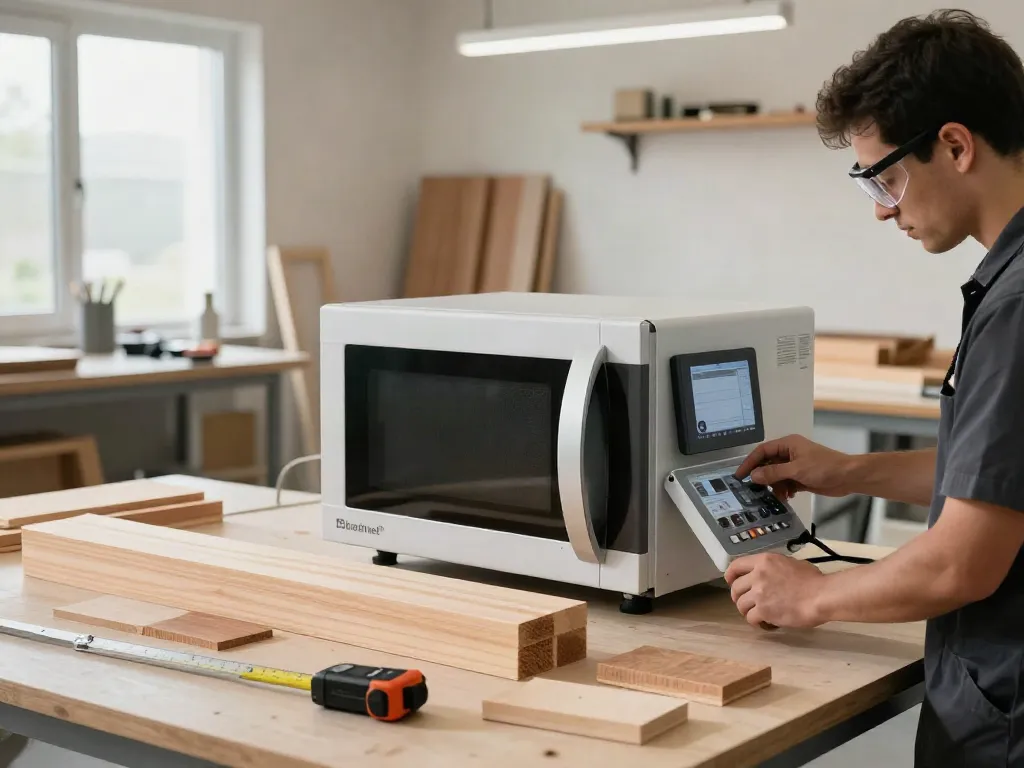
SHASHEL® equipment emits microwaves that penetrate deeply into wooden structures. This focused energy rapidly raises the internal temperature of the wood, effectively killing any wood-boring insects along with their eggs and larvae. The process is designed to ensure that even the most hidden and previously inaccessible areas of wood are treated. This method's effectiveness is further enhanced by the fact that microwaves can reach areas that traditional chemical sprays might miss, resulting in a comprehensive pest control solution.
Safety Features of SHASHEL® Equipment
Safety is a paramount concern when dealing with pest control methods. SHASHEL® equipment is engineered with built-in safety features that allow for intuitive operation. The systems are designed to prevent overheating and ensure that the microwaves are contained within the device, making it safe for use in various environments—from residential homes to large warehouses. Additionally, the absence of toxic chemicals means that there are no harmful residues left in treated areas, promoting a healthier indoor environment.
Benefits of Using SHASHEL® for Wood Treatment
The benefits of using SHASHEL® technology extend beyond mere insect elimination. They encompass environmental sustainability, time savings, and long-term financial advantages. For those in woodworking, construction, or restoration, adopting SHASHEL® can dramatically enhance operational efficiency and profitability.
Environmental Advantages of Microwave Treatment
One standout feature of SHASHEL® is its eco-friendliness. Traditional pest control methods often rely on toxic chemicals that can pose risks to both human health and the environment. In contrast, SHASHEL®'s microwave method is chemical-free, making it a safe alternative. By avoiding the use of pesticides, users contribute to healthier ecosystems and reduce the likelihood of chemical runoff impacting the surrounding areas.
Time-Saving Aspects of SHASHEL® Technology
Time is money, especially in industries where project timelines are critical. SHASHEL® technology offers rapid treatment times—often achieving complete pest elimination in just a few minutes. This significant reduction in treatment duration allows businesses to resume operations almost immediately, minimizing downtime and enhancing overall productivity.
Long-Term Savings and Efficacy in Pest Control
Investing in SHASHEL® not only provides immediate pest control benefits but also long-term savings. Traditional treatments often require repeated applications, ongoing maintenance, and costly downtime. In comparison, the efficiency and effectiveness of SHASHEL® mean that infestations are less likely to recur, resulting in reduced costs over time. Moreover, the preservation of wooden structures can prevent the expense of repairs or replacements due to pest damage.
Comparing SHASHEL® with Traditional Methods
In the realm of pest control, understanding the limitations of traditional methods is crucial for making informed decisions. While chemical treatments have been a staple for many years, they come with significant drawbacks compared to SHASHEL® technology.
Limitations of Chemical Treatments
Chemical pest control methods often struggle with efficacy when dealing with wood-boring insects, particularly in hidden areas of wooden structures. Many of these chemicals require multiple treatments and extensive application techniques, which can complicate the pest management process. Additionally, concerns over the long-term impact of chemical use on health and the environment have led to a demand for safer alternatives.
Effectiveness Against Woodworms and Other Pests
SHASHEL® has proven to be exceptionally effective in eradicating wood-boring pests. Studies indicate that microwave treatments can eliminate 99% of woodworms and their larvae with a single application. In contrast, traditional methods may only achieve partial control, leading to a cycle of repeated treatments and lingering infestations.
Cost Analysis: SHASHEL® vs. Chemical Solutions
When comparing the cost of SHASHEL® to traditional chemical solutions, it’s essential to consider not just the upfront expenses but also the long-term implications. Although the initial investment in SHASHEL® equipment may be significant, the reduction in ongoing treatment costs, combined with the efficiency of the process, provides a compelling argument for its adoption. In many cases, users find that SHASHEL® pays for itself within the first few applications, thanks to its effectiveness and speed.
Best Practices for Utilizing SHASHEL® Equipment
Maximizing the effectiveness of SHASHEL® requires understanding how to set up the system properly and the best practices for its use. By adhering to these guidelines, operators can ensure optimal performance and longevity of the equipment.
Setting Up the SHASHEL® System Properly
Correct setup is crucial for the successful operation of SHASHEL® equipment. Users should ensure that the microwave unit is placed in a designated area with proper ventilation and access to power. Following the manufacturer's guidelines for configuration can prevent any operational mishaps and enhance the treatment's effectiveness.
Common Mistakes to Avoid During Treatment
One common mistake is attempting to rush the treatment process. Each infestation requires adequate time for the microwaves to penetrate fully and eliminate all pests. Additionally, ensure that all areas of the wood are exposed to the microwave energy, as covering parts of the wood can lead to incomplete eradication.
Maintenance Tips for Longevity and Performance
Regular maintenance of SHASHEL® equipment is vital for ensuring its longevity and optimal performance. Users should conduct routine checks for any signs of wear and tear or malfunction. Cleaning the unit after each use and following the manufacturer's maintenance schedule can significantly extend its lifespan and efficacy.
Future Trends in Wood Treatment Technologies for 2026 and Beyond
As the field of pest control continues to evolve, SHASHEL® is at the forefront of innovations that promise to reshape wood treatment technologies. Looking ahead, several trends are emerging that could further enhance the effectiveness of pest management.
Innovations on the Horizon for SHASHEL®
Advancements in microwave technology may lead to even more efficient systems capable of treating larger areas more effectively. Research into optimizing wave frequencies could potentially eliminate a broader range of pests, expanding SHASHEL®'s applications in various industries.
Emerging Trends in Pest Control Technologies
Beyond microwaves, we are witnessing the rise of integrated pest management (IPM) systems that combine multiple strategies for a more holistic approach to pest control. The integration of data analytics and smart technology could allow for real-time monitoring and predictive analytics, further enhancing the capabilities of SHASHEL® systems.
Predictions for Industry Changes and Consumer Preferences
As awareness of environmental issues grows, consumers are likely to gravitate towards eco-friendly pest control options. This trend will push more companies to adopt technologies like SHASHEL® that align with modern sustainability values. The demand for transparency in pest management practices will also rise, encouraging manufacturers to present clear safety and efficacy data.
What types of pests can SHASHEL® eliminate effectively?
SHASHEL® is specifically designed to combat wood-boring insects, including woodworms, house longhorn beetles, and powderpost beetles, among others. Its microwave technology penetrates the wood, effectively targeting all life stages of these pests.
Is SHASHEL® microwave treatment safe for homes?
Yes, SHASHEL® is a safe and environmentally friendly method of pest control. Because it doesn’t rely on chemicals, users can have peace of mind knowing that their homes remain free from harmful residues typically associated with traditional pest treatments.
How do I operate the SHASHEL® system?
Operating the SHASHEL® system is straightforward. After set-up, operators simply need to follow the device’s instruction manual for selecting the appropriate settings based on the type of wood and level of infestation. The intuitive design of the equipment ensures ease of use.
What maintenance does SHASHEL® equipment require?
SHASHEL® equipment requires regular cleaning and inspection to prevent any operational issues. Following the maintenance guidelines provided in the user manual can help ensure consistent performance and increase the lifespan of the equipment.
Can SHASHEL® be used on all types of wood?
SHASHEL® is adaptable to various types of wood, making it suitable for a range of applications in carpentry and construction. However, it is advisable to consult the user manual to understand any specific limitations based on wood density and moisture content.