Understanding Engineered Composites and Their Applications
Engineered Composites is a cutting-edge GRP (Glass Reinforced Plastic) manufacturer operating in the UK for over four decades. In this comprehensive guide, we will delve into the world of engineered composites, examining their manufacturing processes, applications, advantages, and sustainability. With increasing demands from various sectors such as construction, marine, and infrastructure, understanding the intricacies of GRP products is essential for making informed decisions.
When exploring options, Engineered Composites provides comprehensive insights into the products and services they offer, ensuring customers receive tailored solutions to meet their specific needs.
What Are Engineered Composites?
Engineered composites are advanced materials created by combining two or more constituent materials that, when combined, produce a material with enhanced properties. In the case of GRP, the primary constituents are glass fibers and a polymer matrix, typically epoxy or polyester resins. This combination results in materials that are significantly stronger and more durable than their individual components.
GRP products are versatile and widely used across various industries. Their inherent properties, including lightweight, corrosion resistance, and high strength-to-weight ratio, make them ideal for applications ranging from structural components to aesthetic features in buildings.
Key Industries Utilizing GRP Products
- Construction: Used in safety barriers, gratings, and architectural features.
- Marine: Essential for hulls, decks, and other components requiring corrosion resistance.
- Telecommunications: Employed in infrastructure that benefits from non-conductive materials.
- Pharmaceuticals and Food Processing: Utilized in environments where chemical resistance is vital.
- Automotive: Applied for structural components and interior features due to weight savings.
Benefits of Choosing Engineered Composites
The benefits of engineered composites are manifold. They provide:
- Durability: GRP products can withstand harsh environmental conditions without degrading.
- Lightweight: GRP is up to 70% lighter than steel, which reduces transportation and installation costs.
- Corrosion Resistance: Unlike metal, GRP does not rust or corrode, making it ideal for outdoor use.
- Design Flexibility: GRP can be molded into complex shapes, allowing for innovative design solutions.
- Low Maintenance: GRP products require minimal upkeep, which translates into cost savings over time.
The Manufacturing Process of GRP Products
The manufacturing of GRP products involves several key steps, ensuring that each piece is tailored to meet specific user demands while adhering to strict quality standards.
Step-by-Step Fabrication Techniques
The fabrication of GRP components typically follows these steps:
- Design and Engineering: The process starts with detailed design specifications, including load requirements and environmental factors.
- Material Selection: Based on the intended application, suitable glass fibers and resins are chosen to enhance performance.
- Manufacturing Process: Techniques such as pultrusion, hand lay-up, or resin transfer molding are employed to create the composite structure.
- Curing: The composite is cured to ensure the resin hardens, creating a solid and durable product.
- Finishing: Products may undergo surface treatments for aesthetic appeal and further protection against environmental factors.
Quality Assurance Standards in GRP Manufacturing
Quality is paramount in GRP manufacturing. Engineered Composites upholds stringent quality assurance protocols, including:
- Adherence to ISO 9001 standards for consistent quality management.
- Testing for mechanical properties and compliance with standards such as BS EN 13706.
- Regular audits and evaluations to ensure ongoing adherence to environmental and safety regulations.
Insights into Material Selection and Engineering
Material selection is critical in the manufacturing of GRP components. The choice of resin and glass fiber type directly influences the mechanical properties and performance characteristics of the final product. For instance, selecting a high-performance epoxy resin can significantly enhance chemical resistance and thermal stability, making it suitable for demanding applications.
Performance Advantages of GRP Over Traditional Materials
GRP products present several significant advantages compared to traditional materials such as steel and aluminum. Understanding these differences helps industries make educated material choices.
Comparative Analysis: GRP vs. Steel and Aluminium
- Weight: GRP is considerably lighter than steel and aluminum, reducing the structural weight burden, which is beneficial in applications where weight is a crucial factor.
- Corrosion Resistance: Unlike steel, GRP does not corrode, significantly extending the lifespan of components used in harsh environments.
- Insulation Properties: GRP is non-conductive, making it safer for electrical applications compared to metal alternatives.
- Cost-Effectiveness: The reduced need for maintenance and the longer life expectancy result in lower overall costs compared to metal products.
Structural Integrity and Durability of GRP Products
GRP products are engineered to provide exceptional structural integrity. They can be designed to meet specific load-bearing requirements while maintaining lightweight characteristics. This makes them suitable for a variety of structural applications, including:
- Walkways and platforms
- Bridges and access roads
- Safety barriers and fencing
Fire Safety Compliance and Regulations
Fire safety is a vital concern in the manufacturing of GRP products. Engineered Composites ensures that all products comply with the necessary fire safety regulations, achieving a Class 2 fire rating under BS 476 Part 7. This compliance makes GRP suitable for environments where fire performance is critical.
Environmental Impact and Sustainability of GRP
The environmental footprint of building materials is increasingly scrutinized. GRP stands out as a sustainable option due to its recyclability and energy-efficient manufacturing processes.
Is GRP Recyclable or Sustainable?
One of the significant advantages of GRP is its sustainability. While it is a composite material, it can be recycled, and various methods exist to repurpose GRP products at the end of their life cycle. Many manufacturers are developing techniques to grind down old GRP for reuse in new products, further minimizing waste.
Energy Efficiency in Manufacturing GRP
The manufacturing process of GRP is energy-efficient compared to traditional materials like steel and aluminum, using up to 75% less energy. This energy efficiency contributes positively to the overall sustainability of GRP products.
Meeting BREEAM and LEED Standards
Engineered Composites' commitment to sustainability aligns with leading environmental assessment methods such as BREEAM and LEED standards. Using GRP products can help projects achieve desired sustainability ratings, promoting eco-friendly construction practices.
Practical Considerations and Customer Support
When considering GRP products for your next project, it’s essential to understand the ordering process, maintenance needs, and support available from manufacturers.
How to Order Customized GRP Products?
Ordering customized GRP products is straightforward. Engineered Composites offers a convenient online inquiry form where customers can specify their requirements. The technical sales team is available to provide fast, no-obligation quotes, ensuring you get precisely what you need.
Maintenance Tips for Long-lasting GRP Solutions
Maintaining GRP products is relatively simple due to their inherent durability. Here are some tips for ensuring longevity:
- Periodically clean with mild detergent and water.
- Avoid using abrasive materials that could scratch the surface.
- Inspect for any signs of wear or damage, particularly in high-traffic areas.
Frequently Asked Questions about Engineered Composites
To conclude our exploration of GRP manufacturing and solutions, here are some frequently asked questions:
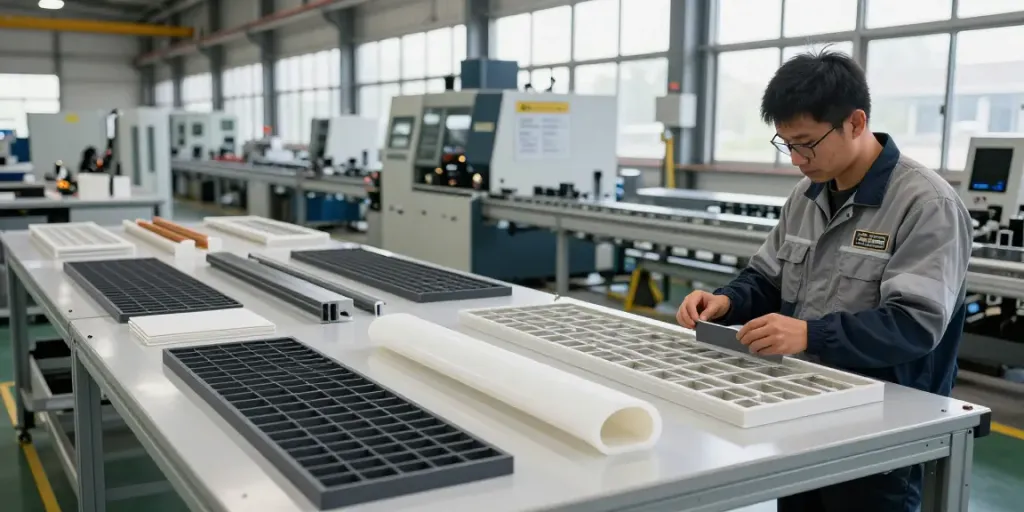
- What types of GRP products does Engineered Composites offer? We provide a wide range of products including gratings, profiles, handrails, flooring, and fencing.
- Are GRP products suitable for outdoor use? Yes, our GRP products are designed to withstand outdoor conditions, including UV exposure and moisture.
- How long do GRP products last? GRP products typically have a lifespan exceeding 50 years with minimal maintenance.
- How can I get a quotation? Simply reach out via our website or call our dedicated sales team for a fast response.