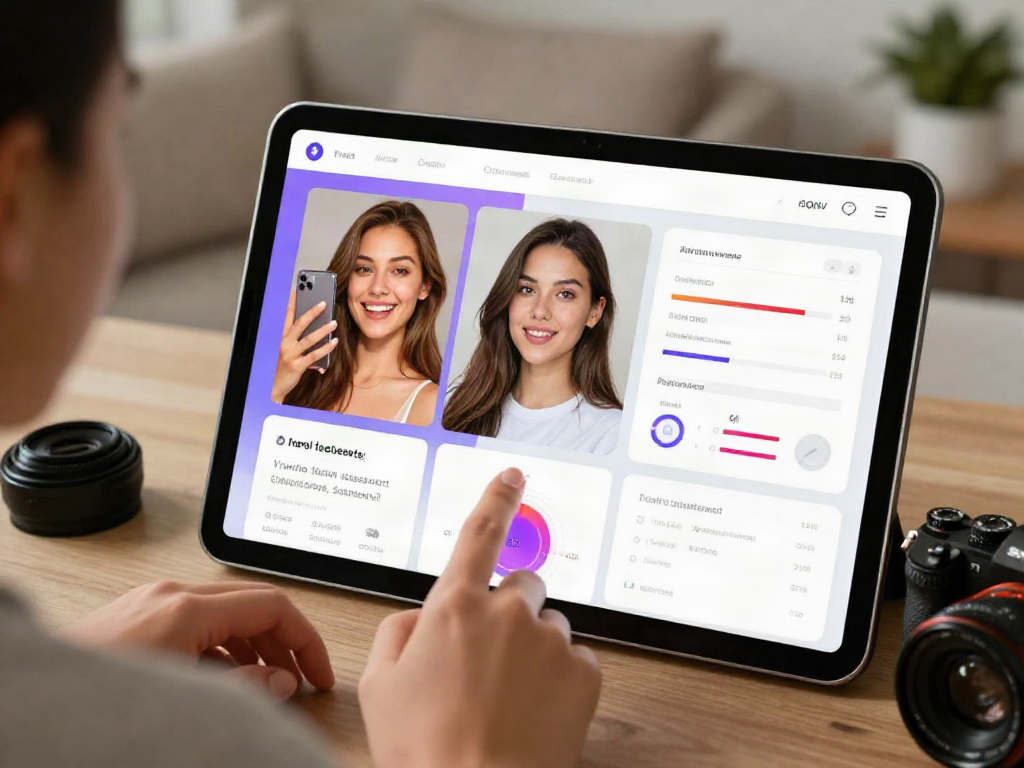
Understanding Age Perception and AI
As technology evolves, so does our understanding of human perception, especially regarding age. The question, "How old do I look?" reflects more than just a numerical age; it encompasses societal expectations, personal self-image, and scientific inquiry. With the rise of AI-driven age estimation tools, this question has garnered increasing interest. Users are now able to upload images and receive feedback about their perceived age with surprising accuracy. When exploring options, how old do i look offers a comprehensive platform for those curious about their facial age.
What Does it Mean to Ask "How Old Do I Look"?
The inquiry into how old one appears is deeply rooted in human psychology and societal norms. Often, individuals seek validation regarding their perceived youthfulness or maturity. This question can stem from various motivations: social interactions, self-esteem enhancement, or validation of lifestyle choices. In today's image-driven culture, appearance holds significant weight, affecting everything from social presence to professional opportunities. Understanding why we ask this question can help in interpreting the responses we receive from age estimation tools.
The Science Behind Age Estimation Technologies
Age estimation technologies leverage advanced algorithms and vast datasets to analyze facial features and predict biological age. Using metrics like skin elasticity, wrinkle depth, and facial structure, these tools can provide surprisingly accurate results. Researchers continuously input samples from diverse demographics, enhancing the algorithms' ability to minimize biases and inaccuracies. As technology progresses, these systems are improving at an exponential rate, promising even more precise age estimates in the near future.
How AI Predicts Your Age from Photos
AI models use convolutional neural networks (CNNs) to analyze images. These networks have been trained on thousands of images across various ages to identify patterns associated with aging. Features such as the presence of fine lines, skin discoloration, and overall facial symmetry inform the age prediction process. This sophisticated technology not only provides an estimate but can also highlight aging aspects that individuals might wish to address. The evolving understanding of AI in this context opens up discussions about beauty standards and the acceptance of natural aging.
Using Online Age Estimation Tools
The proliferation of online age estimation tools has made these insights more accessible than ever. Users, intrigued by the question of how old they appear, can quickly receive feedback without major commitments. The landscape is filled with numerous apps and websites that claim to determine one's age based on a photograph. However, variations in accuracy and user experience are common.
Step-by-Step Guide to Uploading Your Photo
- Choose a reliable age estimation platform.
- Navigate to the photo upload section of the site.
- Select a recent and well-lit photograph.
- Follow any required instructions, such as adjusting the image or cropping it to frame the face.
- Submit the photo and wait for the analysis.
Each tool may have slightly different processes, but in general, the steps are simple and user-friendly.
Evaluating the Accuracy of Age Predictions
While age estimation tools can be fun and insightful, it's crucial to approach their predictions with a critical mindset. The accuracy can depend on various factors, including lighting, image quality, and the specific algorithms employed by the software. Therefore, it's advisable to cross-reference results from multiple platforms to gain a more rounded perspective on your perceived age.
Common Features of Top Age Estimation Apps
- User-Friendly Interface: Easy navigation and clear instructions enhance the user experience.
- Instant Results: The best apps provide immediate feedback after photo submission.
- Data Privacy: Reputable platforms prioritize user privacy by securing uploads and not retaining personal images.
- Social Sharing Options: Many apps allow users to share results on social media, feeding into the communal aspect of age perception.
Benefits of Knowing Your Perceived Age
The pursuit of understanding one's perceived age carries various benefits, ranging from boosted self-image to improved social interactions.
Understanding Self-Image and Confidence
Knowledge about perceived age can be empowering for individuals. It offers insights into how others perceive them, which can influence fashion choices, skincare routines, and overall self-confidence. Users often find that feedback from age estimation tools confirms their instincts about aging or prompts them to rethink their self-care regimens.
How Perceived Age Affects Social Interactions
Age perception can significantly influence social dynamics. A younger appearance might lead to different social interactions, while an older appearance might invoke respect or gravitas in professional settings. Understanding how one is perceived can facilitate better personal interactions and adaptations to social settings.
Utilizing Age Insights for Personal Development
Feedback from age estimation can also guide individuals in their personal development journeys. Whether it’s through lifestyle changes, skincare, or even mental health support, understanding one’s perceived age can prompt actionable steps toward personal goals.
Challenges and Limitations of AI Age Estimation
Despite the intriguing capabilities of AI-driven age estimation, several challenges and limitations warrant consideration. Understanding these aspects can enhance users' awareness and manage expectations regarding the results.
Privacy Concerns with Uploading Personal Photos
Submitting personal photographs to online platforms raises valid privacy concerns. Users should be mindful about the data stored by these applications. Reading data privacy policies and understanding how uploaded images are managed is critical to ensuring personal security. Users should only engage with platforms that offer transparent information about data usage and retention.
Understanding Algorithm Limitations and Biases
AI algorithms are not infallible and can exhibit biases based on the datasets they were trained on. If an algorithm predominantly uses images from a specific demographic, it may struggle to accurately predict ages for individuals from other groups. As a result, predictions may vary significantly based on ethnicity, gender, and other factors.
Comparing Human Judgment with AI Predictions
Human judgment in assessing age can be subjective, influenced by cultural norms and personal biases. In contrast, AI aims for objectivity, yet its predictions can still lack nuance. For example, facial expressions and context clues may alter human assessments of age in ways that algorithms cannot mimic. Balancing AI predictions with human insights can provide a more comprehensive understanding of perceived age.
Looking Ahead: The Future of Age Estimation Technology
The future of age estimation promises to be exciting, with advancements in technology likely to enhance the accuracy and user experience of these tools.
Trends and Innovations in Facial Recognition
Continual improvements in facial recognition technology indicate that future tools will be increasingly sophisticated. Innovations such as 3D facial mapping and augmented reality could provide even more detailed insights into age estimation, offering users a holistic view of their perceived age.
Predictions for User Interaction with Age Estimation Tools
Future interactions with age estimation tools may evolve beyond simple age predictions. Users could receive comprehensive reports that include recommendations for skincare, lifestyle adjustments, and even emotional well-being based on their perceived age, fostering a more personalized user experience.
Ethical Considerations in AI Age Detection
The growing reliance on AI for age estimation raises ethical questions about how these technologies are used. Issues of discrimination, privacy, and the potential for misuse highlight the need for careful regulations and responsible use. Conversations around ethical considerations will play a vital role in shaping the future of these technologies.
What are the health implications in using these tools?
Finally, the implications of age estimation on health should not be overlooked. While these tools can motivate users to adopt healthier lifestyles, there is also the risk of fostering anxiety or unhealthy behaviors tied to appearance. It's essential that individuals approach age estimation tools with a balanced viewpoint, using results to bolster confidence rather than allow them to dictate self-worth.
In conclusion, the question of how old one appears is not merely superficial; it taps into deeper issues of self-perception, societal judgment, and technological advancement. By understanding both the potential benefits and the challenges of AI age estimation tools, users can make informed decisions about their engagement with these platforms.