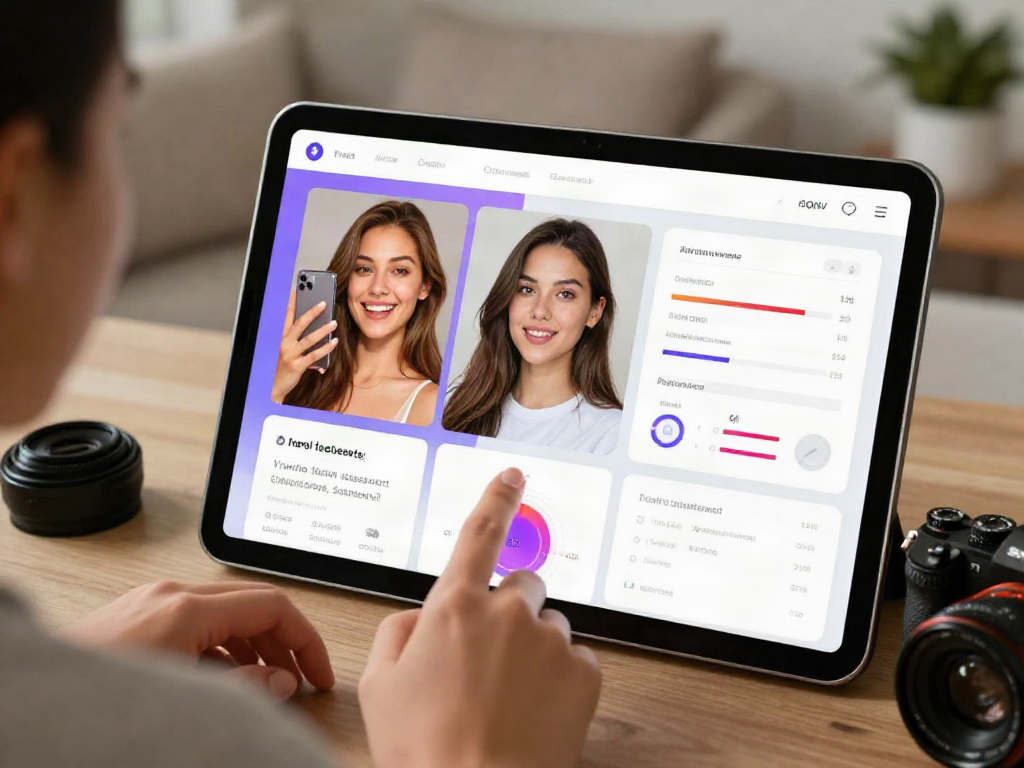
Understanding Attractiveness: The Basics
Attractiveness is a multifaceted concept that has captured human interest for centuries. In an age where technology and social media play pivotal roles in shaping perceptions of beauty, understanding how we measure and perceive attractiveness has become increasingly relevant. The phrase "test attractiveness" resonates with many individuals seeking to quantify their appeal based on certain metrics. This article aims to delve into the basics of attractiveness, including how we can systematically assess it through various means.
What Does It Mean to Test Attractiveness?
Testing attractiveness involves using various tools and methods to assess an individual's physical appeal, often focusing on facial features and symmetry. Traditionally, beauty has been evaluated subjectively; however, advancements in technology—especially artificial intelligence (AI)—have enabled more objective analysis. Attractiveness tests can provide scores based on mathematical principles of beauty, including symmetry, proportion, and other aesthetic metrics.
The Role of AI in Beauty Assessment
Artificial intelligence has emerged as a revolutionary force in the beauty industry, allowing for rapid and detailed analysis of facial features. AI algorithms can assess images for factors such as facial symmetry, the golden ratio, and even emotional expressions—elements that contribute significantly to perceived attractiveness. By leveraging machine learning, these tools continuously improve their assessments, providing users with reliable beauty scores.
Key Metrics Used in Attractiveness Testing
Several key metrics are utilized in attractiveness testing, including:
- Facial Symmetry: More symmetrical faces are often perceived as more attractive.
- Golden Ratio: The classic proportion ratio (1:1.618) is frequently linked to beauty standards.
- Canthal Tilt: The angle of the eyes can influence perceived attractiveness, especially in female faces.
- Skin Clarity: Clear skin can contribute significantly to overall attractiveness ratings.
How to Prepare for Your Attractiveness Test
Preparing for an attractiveness test requires careful consideration to ensure accurate and reliable results. Here are some essential tips to keep in mind.
Choosing the Right Photo for Analysis
The choice of photo is crucial in obtaining a reliable attractiveness score. A well-taken portrait that captures your face clearly, without obstructions, is ideal for evaluation. Avoid group photos or images with excessive filters, as they can misrepresent your true features.
Tips for Lighting and Background
Good lighting is essential for any photo to accurately represent your features. Natural light is often praised for its ability to illuminate skin tones and highlight facial symmetry. Furthermore, a simple, non-distracting background will ensure that the focus remains on your face during the attractiveness assessment.
Understanding Facial Features: What to Highlight?
When preparing for your attractiveness test, consider which facial features you would like to emphasize. Commonly admired traits include strong jawlines, balanced facial proportions, and well-defined cheekbones. Understanding what features positively impact your attractiveness score can help you choose the right photo.
Deciphering Your Results: What They Mean
Receiving your attractiveness score can be both exciting and nerve-wracking. Here’s what to consider when interpreting your results.
Interpreting Your Attractiveness Score
Your attractiveness score, often presented on a scale from 1 to 10 or 1 to 100, reflects a combination of various metrics outlined earlier. Higher scores often indicate a more symmetrical and conventionally attractive face, while lower scores may suggest areas for enhancement.
Common Misconceptions About Beauty Ratings
It is essential to approach attractiveness scores with a balanced mindset. Many individuals mistakenly believe that a score defines their worth or social value. In reality, attractiveness is subjective, and scores are just one of many factors influencing personal appeal.
How to Use Your Score for Personal Growth
Receiving your attractiveness score can serve as a valuable tool for self-improvement. Consider using the feedback to enhance your grooming, makeup techniques, or even facial fitness, seeking to draw out your most attractive features.
Advanced Techniques in Attractiveness Testing
As technology evolves, so do the methods for analyzing attractiveness. Here are some advanced techniques gaining traction in the industry.
Combining AI Tools for Comprehensive Analysis
Many users are now utilizing multiple AI tools to gain a more rounded view of their attractiveness. By pairing different analysis metrics, individuals can identify strengths and weaknesses in their facial features and overall presence.
Exploring Facial Symmetry and Beauty Standards
Facial symmetry remains a significant factor in perceived attractiveness. Cutting-edge tools can now assess and simulate how slight adjustments to features can enhance symmetry, providing users with practical and actionable feedback.
Real-World Applications of Attractiveness Testing
Attractiveness testing is not merely for individual assessments but is also applied in fields such as modeling, dating platforms, and cosmetic surgery consultations, allowing clients to understand how they measure up to societal beauty standards.
Future Trends in Attractiveness Testing
The future of attractiveness testing is likely to be shaped by ongoing innovations in AI and computer vision. Let’s explore some anticipated trends.
Emerging Technologies Shaping Beauty Assessment
New technologies are constantly being developed that promise to refine how we assess attractiveness. Advancements in 3D modeling and augmented reality may allow users to visualize potential cosmetic changes before committing to them.
Predictions for 2026 and Beyond
As our understanding of beauty evolves, we can expect to see more personalized and nuanced approaches to attractiveness testing. Increased emphasis on diversity and inclusion will shape these assessments, providing a more comprehensive representation of beauty.
Ethical Considerations in AI Beauty Standards
As with any technology, ethical considerations must be addressed. The potential impact of AI on societal beauty standards could perpetuate unrealistic ideals. Ongoing discussions in the industry must navigate these complexities to ensure tools promote healthy and diverse beauty definitions.
How can I test my attractiveness?
To test your attractiveness, consider utilizing online AI-powered assessment tools, which analyze facial features and provide scores based on established beauty metrics.
Is there an accurate attractiveness test?
While many tools claim accuracy, it’s essential to approach results with a critical mindset, understanding that beauty is subjective and influenced by numerous factors.
What factors influence attractiveness ratings?
Factors such as facial symmetry, skin quality, facial proportions, and societal standards play pivotal roles in how attractiveness is rated.
How do AI models assess facial beauty?
AI models utilize algorithms that analyze key facial features against established beauty metrics, often incorporating machine learning to enhance their accuracy over time.
What should I expect after taking an attractiveness test?
After taking an attractiveness test, you can expect to receive a score along with a breakdown of the metrics assessed, providing insight into your unique features and areas for improvement.