Understanding the Importance of Pre Nursery Education
In today’s fast-paced world, the significance of pre nursery education cannot be understated. It is during these formative years that children begin to explore their environment, develop social skills, and ignite a passion for learning. Pre nursery education serves as the foundation for all future academic endeavors, making it crucial for parents to understand its importance. When exploring options, pre nursery Singapore programs provide comprehensive insights into this essential educational phase, guiding parents in making informed decisions for their child’s future.
What is Pre Nursery Education?
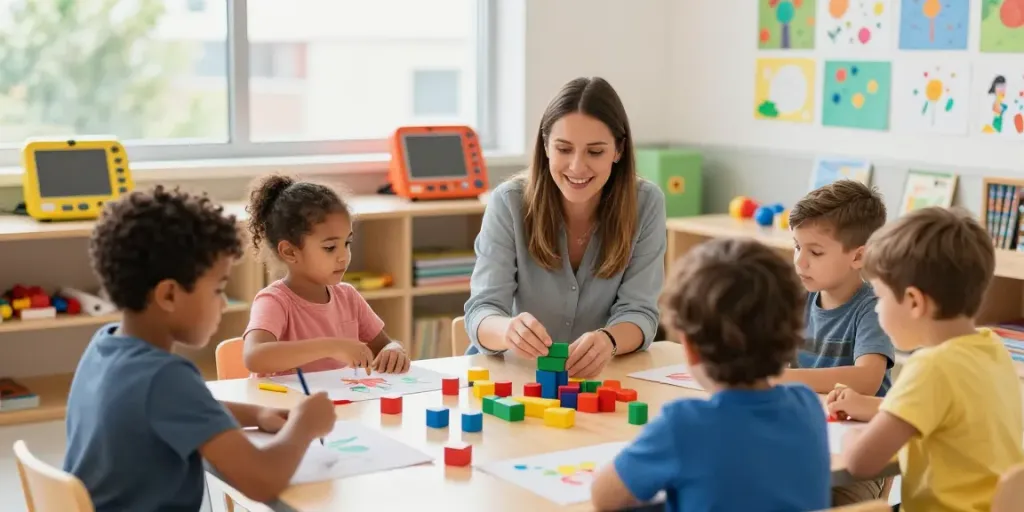
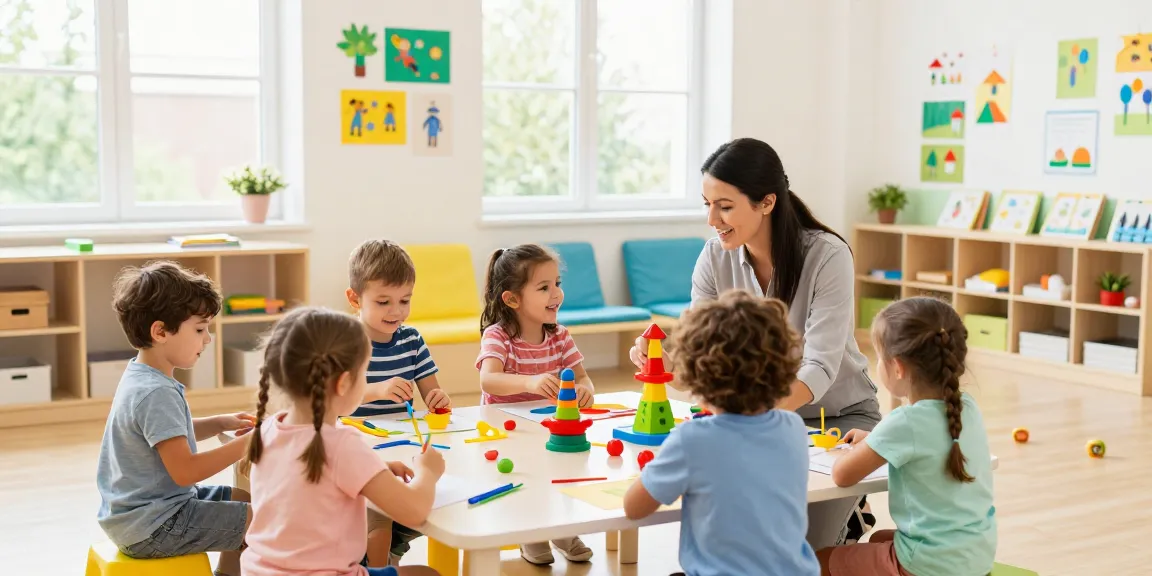
Pre nursery education typically caters to children aged 18 months to 3 years, focusing on the holistic development of young learners. Unlike traditional education models that emphasize rote memorization and passive learning, pre nursery programs are designed to foster curiosity and creative thinking through play-based and inquiry-driven methods. This allows children to engage with their surroundings, explore new concepts, and build foundational skills in a nurturing environment.
Benefits of Early Childhood Learning
- Cognitive Development: Early exposure to structured learning environments helps children develop critical thinking skills and boosts cognitive abilities.
- Social Skills: Interacting with peers fosters essential social skills, such as cooperation, sharing, and conflict resolution.
- Emotional Growth: Early education helps children understand and manage their emotions, leading to improved self-regulation.
- Language Skills: Engaging activities enhance language acquisition and communication skills, setting the stage for future literacy.
Key Developmental Milestones for Young Learners
During pre nursery education, children achieve several developmental milestones that are crucial for their overall growth:
- Physical Development: Children enhance their motor skills through activities that promote coordination and balance.
- Cognitive Skills: They begin to grasp concepts such as numbers, letters, and basic problem-solving techniques.
- Social-Emotional Skills: Learning to express feelings and interact with others lays the groundwork for emotional intelligence.
Choosing the Right Pre Nursery Singapore Program
When selecting a pre nursery program, parents should consider various factors to ensure their child's needs are met. The right program not only focuses on academic fundamentals but also prioritizes emotional and social development.
Evaluating Curriculum Options
One of the primary aspects to evaluate is the curriculum. A great pre nursery curriculum should be inquiry-based, allowing children to explore topics of interest through hands-on experiences. Programs inspired by approaches like Reggio Emilia emphasize child-led learning, fostering intrinsic motivation and curiosity.
Teacher Qualifications and Ratios
The qualifications and ratios of teachers play a pivotal role in the quality of education. Well-trained educators who can provide personalized attention are crucial for fostering a supportive learning environment. Low student-to-teacher ratios ensure that each child receives the necessary guidance and support throughout their learning journey.
Facilities and Learning Environment Considerations
The physical environment significantly impacts learning. Look for pre nursery schools with spacious classrooms, safe outdoor play areas, and resources that support exploration and discovery. A stimulating environment encourages children to engage actively and enhances their learning experience.
Fostering Holistic Development in Young Children
Holistic development requires an integrated approach that nurtures multiple facets of a child's growth—cognitive, emotional, social, and physical.
Inquiry-Based Learning Approaches
Inquiry-based learning is a cornerstone of effective pre nursery education. It motivates children to ask questions, seek answers, and discover knowledge independently. When children learn through play and curiosity, they develop critical thinking and problem-solving skills essential for lifelong learning.
Importance of Parental Involvement
Engaging parents in their child’s education significantly enhances learning outcomes. Programs that encourage parental involvement create a community of support and ensure a seamless transition between home and school. Parents who actively participate in their child’s education reinforce the importance of learning and offer additional learning opportunities outside the classroom.
Encouraging Social Skills and Emotional Development
Pre nursery education places a strong emphasis on social interactions. Sharing, teamwork, and empathy are taught through collaborative activities, ensuring that children learn how to navigate social situations effectively. Emotional development is fostered through conversations and activities that help children identify and articulate their feelings.
Navigating Common Challenges in Pre Nursery Education
While pre nursery education provides countless benefits, it can also present challenges for both children and parents. Understanding these challenges is crucial for navigating the early education landscape successfully.
Addressing Separation Anxiety
Separation anxiety is a common issue for young children when starting school. Preparing children through gradual exposure to the school environment and encouraging independence can help ease this transition. Establishing a consistent drop-off routine also reassures children and helps them feel secure.
Balancing Structure with Play
Finding the right balance between structured learning and free play is essential. While structured activities provide direction, free play allows children to explore their interests and develop creativity. Effective pre nursery programs seamlessly integrate both elements to promote optimal learning experiences.
Identifying Learning Styles and Needs
Recognizing that every child has a unique learning style is vital for tailoring educational approaches. Pre nursery educators should focus on observing each child's strengths and challenges to adapt the learning environment accordingly. This personalized approach ensures that all children thrive and reach their potential.
The Future of Pre Nursery Education in Singapore
The landscape of pre nursery education is evolving rapidly as educators embrace modern teaching methodologies and technologies.
Trends in Early Childhood Education for 2026
As we look to the future, several trends are emerging in early childhood education. Increased emphasis on social-emotional learning, diversity, and inclusivity is reshaping the way pre nursery programs operate. Moreover, a focus on sustainability in education is becoming more prevalent as educators prepare children for a globalized world.
Technology Integration in Learning
Technology is increasingly becoming a powerful tool in early childhood education. Interactive learning tools and educational apps are being integrated into curriculum to enhance engagement and learning outcomes. However, it's crucial that technology is used thoughtfully to complement, rather than replace, traditional learning methods.
Preparing Children for Lifelong Learning
The ultimate goal of pre nursery education is to instill a love for learning that extends beyond the classroom. Programs that encourage curiosity, creativity, and critical thinking prepare children not only for their academic journey but also for personal growth and development.
What are the best practices for choosing a pre nursery?
When selecting a pre nursery program, consider the curriculum, teacher qualifications, facilities, and the school's overall philosophy towards learning. Observing classes and speaking with educators can provide valuable insights into the suitability of the program for your child.
How does inquiry-based learning benefit preschoolers?
Inquiry-based learning benefits preschoolers by promoting engagement and curiosity. It allows children to take charge of their learning, fostering independence and critical thinking skills that are essential for future academic success.
What should parents look for in a preschool curriculum?
Parents should seek curricula that emphasize inquiry-based approaches, creativity, and a balance between structured and unstructured play. Programs that incorporate social-emotional learning and focus on holistic development are ideal for nurturing well-rounded children.
How can I support my child's learning at home?
Supporting your child's learning at home can be as simple as engaging in meaningful conversations, reading together, and providing opportunities for creative play. Create a routine that encourages exploration while allowing your child to express their interests and curiosities.
What are the latest trends in preschool education?
The latest trends in preschool education include a focus on emotional intelligence, sustainability practices, and integrating technology to enhance learning. Additionally, there is a growing emphasis on fostering inclusive environments that embrace diversity and multicultural understanding.