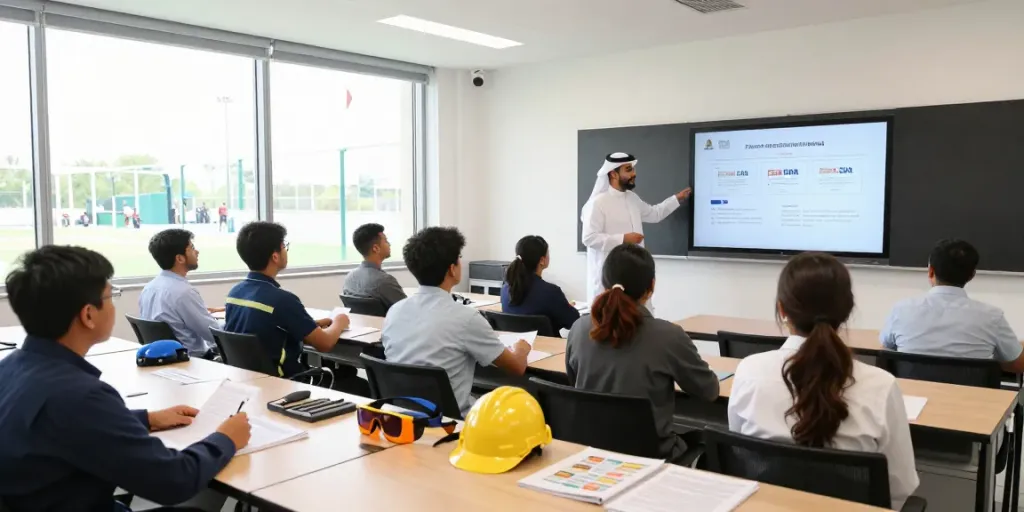
Introduction to Training Institutes in Saudi Arabia
In recent years, Saudi Arabia has witnessed a notable transformation in its educational landscape, particularly in the realm of professional training and development. With the rapidly evolving job market and stringent safety regulations, training institutes have emerged as essential resources for individuals seeking to enhance their skills and knowledge. These institutions not only offer a range of vocational courses but also provide certifications that are crucial for compliance in various industries, particularly in health, safety, and environmental (HSE) sectors. As organizations increasingly prioritize safety practices, the demand for competent professionals who are well-versed in HSE standards has surged. For those exploring options, Training Institute Saudi Arabia serves as a comprehensive guide to the leading training opportunities available in the Kingdom.
Understanding the Role of Training Institutes
Training institutes in Saudi Arabia play a pivotal role in bridging the skills gap that exists in various sectors. They are designed to cater to the educational needs of both individuals and organizations, providing tailored training solutions that encompass theory and practical applications. Through systematic course designs, these institutes offer participants access to the latest industry practices, compliance requirements, and innovative safety technologies. Moreover, they serve as platforms for knowledge transfer from experienced instructors to trainees, ultimately fostering a culture of learning and continuous professional development.
Importance of HSE Training in Various Industries
The significance of HSE training cannot be overstated, as it is integral to ensuring workplace safety and regulatory compliance. Industries such as construction, oil and gas, manufacturing, and healthcare are subject to rigorous safety standards to mitigate risks and protect employees. Effective HSE training equips professionals with the necessary skills to identify hazards, assess risks, and implement safety measures, thereby creating safer working environments. Furthermore, organizations that invest in quality HSE training not only comply with governmental regulations but also enhance their operational efficiency and reputation.
Overview of Burraq Consulting's Offerings
Burraq Consulting stands out as a premier training provider in Saudi Arabia, specializing in HSE certifications and ISO consultancy. Their comprehensive portfolio includes internationally recognized courses such as the NVQ Level 6 Diploma in Occupational Health and Safety Practice and the ProQual Level 7 Diploma in Strategic Health and Safety Leadership and Management. These programs are developed to meet both local and international standards, ensuring that professionals are well-equipped to navigate complex safety regulations. With a focus on practical training and real-world applications, Burraq Consulting is committed to fostering the growth of skilled professionals who prioritize safety in their respective fields.
Top Certifications Available in HSE Training
Overview of NFPA Certifications for Fire Safety
The National Fire Protection Association (NFPA) certifications are essential credentials for professionals involved in fire safety and prevention. These certifications cover a wide array of topics, including fire protection systems, electrical safety, and emergency response strategies. Training programs aligned with NFPA standards equip participants with the knowledge and skills to effectively manage fire risks and comply with national safety regulations, thereby reducing fire hazards in both industrial and commercial settings.
ProQual Diplomas in Health and Safety Management
ProQual offers various diplomas that are internationally recognized, including the Level 6 and Level 7 diplomas in Health and Safety Management. These qualifications focus on advanced health and safety principles, strategic leadership, and management practices tailored to enhance workplace safety culture. By obtaining these diplomas, professionals demonstrate their commitment to maintaining high safety standards and contribute to an organization's overall risk management strategies.
ISO Certifications and Their Relevance
ISO certifications, such as ISO 9001:2015 for Quality Management Systems and ISO 45001:2018 for Occupational Health and Safety Management Systems, are crucial for organizations aiming to improve operational efficiency and safety compliance. These certifications are not only a testament to an organization’s commitment to quality and safety but also enhance its credibility in the eyes of clients and stakeholders. Engaging in ISO certification training helps professionals within an organization understand the requirements and processes necessary to achieve and maintain these prestigious certifications.
Choosing the Right HSE Training Program
Factors to Consider When Selecting a Training Institute
When selecting a training institute for HSE programs, several factors should be considered to ensure optimal learning experiences. Firstly, evaluate the institute's reputation and accreditation status, including partnerships with recognized organizations like the NFPA and ProQual. Additionally, consider the experience and qualifications of the instructors, as their expertise significantly influences the quality of training. Course delivery methods—whether in-person, online, or hybrid—should also be assessed to find a format that best fits learning preferences and schedules.
Understanding Course Content and Structure
It is vital to examine the course content and structure offered by the training institute. The curriculum should align with current industry standards and best practices, integrating practical applications alongside theoretical knowledge. Look for institutes that provide hands-on training, simulations, or real-life case studies, as these elements foster better understanding and retention of crucial safety principles.
Importance of Accreditation and Recognition
Accreditation is a fundamental aspect of HSE training, as it verifies that the courses meet industry standards and are recognized by relevant authorities. Opting for accredited training programs ensures that the certification earned is valued by employers and acknowledged within the industry. Organizations should seek training institutes with affiliations to international bodies, reflecting their commitment to maintaining high educational standards.
Benefits of HSE Training for Professionals
Enhancing Career Opportunities Through Certification
Obtaining HSE certifications significantly enhances career prospects for professionals across various industries. As organizations prioritize safety and compliance, the demand for qualified health and safety practitioners continues to grow. Certification not only demonstrates proficiency in HSE principles but also signals a commitment to professional development, which can lead to new job opportunities, promotions, and higher earning potential.
Staying Compliant with Industry Standards
HSE training programs are designed to ensure that professionals remain up-to-date with the latest regulations and standards. By participating in ongoing education, employees can keep pace with evolving safety practices, legislative changes, and emerging industry trends, thereby enhancing their effectiveness in their roles. Staying compliant not only protects employees and organizations but also safeguards against potential legal liabilities and financial penalties.
Contributing to Workplace Safety and Culture
Investing in HSE training cultivates a safety-oriented culture within organizations. Trained professionals are better equipped to advocate for safety measures, conduct risk assessments, and implement effective safety programs. By fostering an environment where safety is prioritized, organizations can reduce incidents, enhance employee morale, and improve overall productivity in the workplace.
Future Trends in HSE Training by 2026
Technology's Impact on Training Delivery
The advancement of technology is poised to revolutionize the delivery of HSE training programs. The use of virtual reality (VR) and augmented reality (AR) in training sessions allows participants to engage in immersive learning experiences that simulate real-world scenarios. Additionally, online platforms offering flexible schedules and digital resources facilitate accessible learning opportunities, catering to diverse learning preferences.
Growing Demand for Specialized Training Programs
As industries evolve, there is a growing demand for specialized HSE training programs tailored to specific sectors, such as renewable energy, construction, and healthcare. These programs address unique risks and challenges faced by professionals in these fields, ensuring they receive relevant training that enhances their competency and effectiveness in managing safety.
Predictions for the HSE Training Industry
By 2026, the HSE training industry is expected to continue its growth trajectory, driven by increasing regulatory pressures, heightened awareness of workplace safety, and the imperative to protect human capital. As more organizations recognize the value of investing in their workforce's safety training, training institutes will likely expand their offerings and adopt innovative teaching methodologies to meet the needs of the evolving landscape.
What are the most sought-after HSE certifications in Saudi Arabia?
The most sought-after HSE certifications in Saudi Arabia include those provided by the NFPA, ProQual, and various ISO certifications. These qualifications are recognized for their credibility and relevance in industries such as oil and gas, construction, and manufacturing.
How can I customize my training experience at a Training Institute?
Many training institutes, including Burraq Consulting, offer customization options for their training programs. This may involve tailoring course content to align with specific organizational needs or allowing flexibility in scheduling and delivery methods. Engaging directly with the training provider can facilitate a personalized learning experience that meets unique requirements.
What are the costs associated with HSE training programs?
Costs for HSE training programs can vary widely based on the institute, course length, and certification level. Factors such as location, the expertise of instructors, and included materials also play a role in determining the overall cost. Organizations often find that investing in employee training yields significant returns in terms of safety improvements and regulatory compliance.
Are online HSE training programs effective?
Online HSE training programs can be highly effective, particularly when designed with interactive elements, real-world scenarios, and assessments that validate learning outcomes. For many professionals, the flexibility of online courses allows them to balance their training with work commitments, making it a practical option for continued education.
How do I know if a Training Institute is accredited?
To verify the accreditation of a training institute, individuals can check the institute's credentials on official websites of accrediting bodies or regulatory agencies. Additionally, reputable institutes often display their accreditations prominently on their websites and course materials, providing transparency regarding their legitimacy and industry recognition.