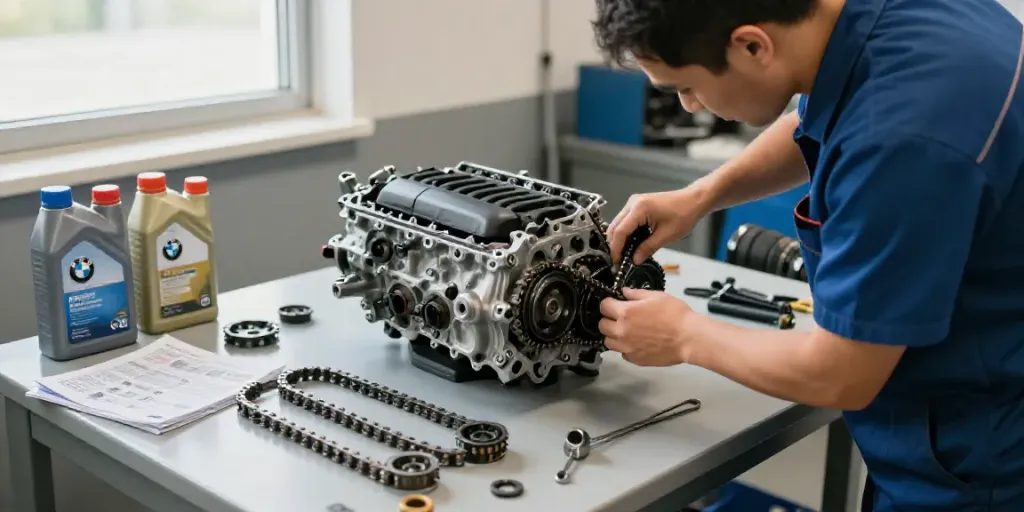
Understanding BMW Timing Chains
Timing chains play a critical role in the overall functionality of your BMW's engine, ensuring precision in the synchronization between the crankshaft and camshaft. Unlike timing belts, which are typically made from rubber and require periodic replacement, timing chains are made from metal and are designed to last longer. However, they are not without their own set of challenges. In this article, we will explore the importance of BMW timing chains, common issues that arise, and the implications of these mechanical components on your vehicle's performance.
What is a Timing Chain?
A timing chain is a crucial component of an internal combustion engine, responsible for controlling the timing of the valves and pistons. It connects the crankshaft to the camshaft, ensuring that the engine's intake and exhaust valves open and close at the correct times during each cylinder's intake and exhaust strokes. This precision is vital for optimal engine performance and efficiency.
Importance of Timing Chains in BMW Engines
In BMW engines specifically, timing chains are engineered to withstand high-stress conditions, ensuring longevity and reliability. A well-functioning timing chain aids in maintaining engine performance, fuel efficiency, and overall vehicular safety. In contrast, a malfunctioning timing chain can lead to severe engine problems, including catastrophic engine failure.
Common Issues with BMW Timing Chains
Common issues with BMW timing chains include chain stretch, wear of the tensioners, and misalignment. These problems can lead to several symptoms, including engine rattling noises, poor acceleration, and warning lights on the dashboard. Regular maintenance and timely replacement are essential to avoid costly repairs.
Recognizing Symptoms of a Failing Timing Chain
Being able to identify the signs of a failing timing chain can save you from extensive repairs. Here are some key symptoms to look for.
Warning Signs to Look For
- Engine Noise: Unusual rattling or grinding noises coming from the engine can indicate a worn timing chain.
- Check Engine Light: The illumination of the check engine light can signal issues with the timing chain or related components.
- Engine Performance Issues: Reduced power, acceleration problems, and rough idling may be signs that the timing chain is failing.
Common Misconceptions About Timing Chains
One common misconception is that timing chains do not require maintenance. While they are designed to last longer than timing belts, they still need to be inspected regularly, especially as the vehicle ages. Regular maintenance can extend the life of the timing chain.
Diagnostic Techniques for Evaluation
Mechanics utilize various diagnostic techniques to evaluate the health of a timing chain, including visual inspections, sound analysis, and sophisticated diagnostic tools. These evaluations can help determine the need for replacement before major issues arise.
Cost Factors for BMW Steuerkette Replacement in Hannover
When considering replacing your BMW's timing chain, understanding the cost factors involved is crucial. In Hannover, various aspects influence the overall price of timing chain services.
Average Costs and Pricing Structures
The average cost of replacing a BMW timing chain can range significantly based on the model and engine type. Typically, you can expect to pay between €1,000 and €2,500 for parts and labor. It's advisable to obtain quotes from local mechanics in Hannover, specifically those specializing in BMW vehicles, to get a clearer idea of the expected costs.
Factors Affecting Replacement Costs
- Model and Year: The specific BMW model and its production year can greatly affect the cost, as some models might require more intricate work than others.
- Labor Costs: Different workshops have varying labor rates, especially when comparing dealerships to independent mechanics.
- Parts Quality: Using OEM (Original Equipment Manufacturer) parts will generally be more expensive but ensures quality and compatibility.
Comparison with Timing Belt Replacement Costs
While timing belts usually require replacement every 60,000 to 100,000 miles, timing chains can last significantly longer. However, when it comes to costs, timing chain replacement can be more expensive due to the complexity of the job. It's crucial to weigh these factors when making maintenance decisions for your BMW.
Choosing a Reliable Service for Your BMW in Hannover
Selecting a trusted mechanic is essential for maintaining your BMW's performance and longevity. Here are some pointers to guide you in choosing the right service provider.
Key Qualities of a Trusted BMW Specialist
- Experience: Look for workshops with certified mechanics who specialize in BMW vehicles.
- Reputation: Research customer reviews and ratings to gauge the reputation of the service provider.
- Warranty Options: A good service provider will offer warranties on parts and labor.
Tips for Selecting the Right Workshop
When exploring options, bmw steuerkette hannover provides comprehensive insights into reliable service providers in your area. Always visit a few shops, ask questions, and get a feel for their customer service before making a decision.
Customer Reviews and Recommendations
Utilize platforms like Google Reviews or local forums to gather insights from other BMW owners about their experiences with various workshops. Personal recommendations can also lead you to trustworthy services.
Future Trends in BMW Maintenance and Timing Chains
The automotive industry is continuously evolving, and understanding future trends in BMW maintenance can help owners stay ahead of potential issues.
Technological Advances in Engine Design
BMW is at the forefront of automotive technology, which means their engines are increasingly complex. Newer models may feature advanced timing chain systems that enhance durability and performance, thus requiring new maintenance approaches.
Predictions for Timing Chain Longevity in New Models
With technological advancements, the longevity of timing chains is expected to improve in the coming years, potentially requiring less frequent replacements and offering greater reliability.
Emerging Maintenance Practices for BMW Owners
As awareness of vehicle maintenance increases, new best practices are emerging. These include regular monitoring of engine performance through onboard diagnostics and using mobile applications to track service records.
What Should You Know About Timing Chain Replacement?
When it comes time for replacement, understanding the signs of a failing chain and knowing your options can save you time and money. It’s advisable to consult with a professional mechanic for a thorough evaluation.
How Often Should You Check Your Timing Chain?
It’s recommended to have your timing chain checked during regular vehicle maintenance, especially as your BMW approaches the 100,000-mile mark. Regular inspections can catch issues before they become serious problems.
Can You Repair a Timing Chain or Just Replace It?
Often, replacing a timing chain is the only viable option, particularly if significant wear or damage is present. Repairs are generally not feasible due to the complexity and critical nature of the timing system.
How Do You Know If Your Timing Chain is Bad?
If you experience any of the aforementioned symptoms or if your mechanic recommends it, it’s crucial to act promptly. Ignoring these signs can lead to severe engine damage.
What are the Best Practices for Timing Chain Maintenance?
Best practices include regular oil changes, using high-quality lubricants, and maintaining optimal engine temperatures to ensure the longevity of your timing chain.
What Costs are Involved in Timing Chain Replacement?
Costs can vary widely, but being informed can help you budget accordingly. Always consider both parts and labor when planning for a replacement.