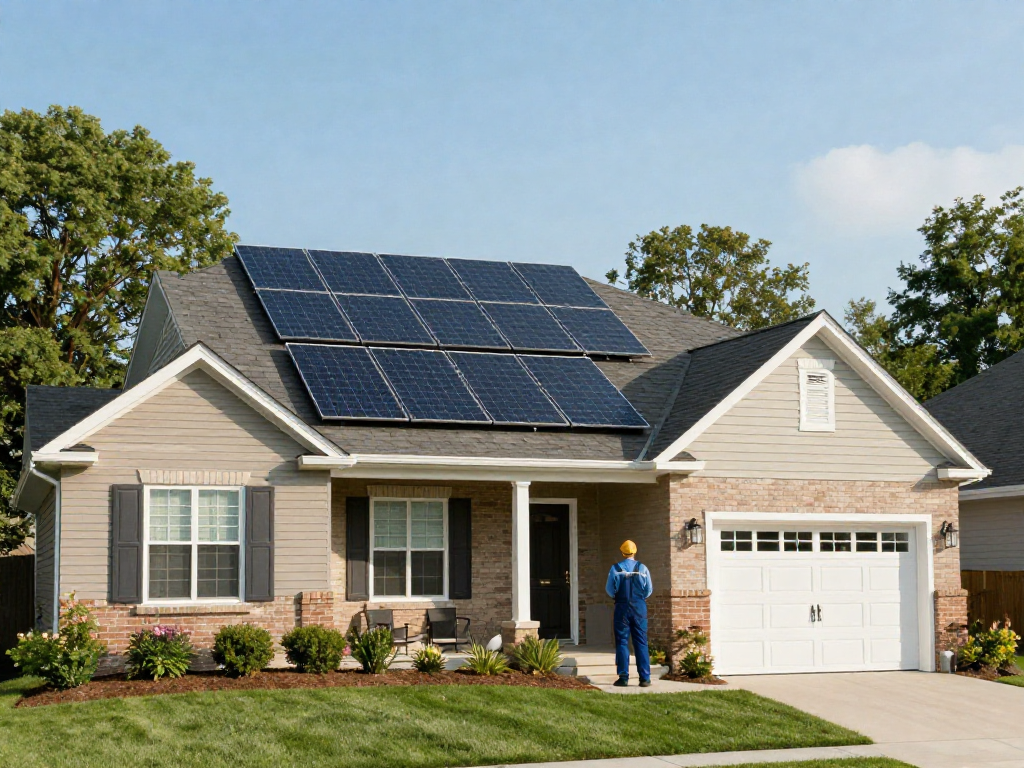
Understanding Illinois Solar Incentives in 2026
As solar energy continues to gain traction across the United States, Illinois offers a unique landscape for homeowners considering this transition. Whether you are an environmentally conscious consumer or primarily motivated by financial savings, it’s pivotal to understand the ins and outs of illinois solar incentives that are currently available. The solar market in Illinois is evolving, particularly with changes to federal and state incentives that can significantly impact the total cost of installation and the potential return on investment.
Federal vs. State Incentives
The federal government previously provided a substantial tax credit for residential solar installations under Section 25D, which expired at the end of 2025. However, Illinois continues to support solar energy adoption through various state incentives designed to fill this gap. Notably, the Illinois Shines program remains a cornerstone of the solar incentive framework, offering Renewable Energy Credits (RECs) that can offset installation costs over time. These credits are available to both homeowners and businesses participating in approved solar programs.
Current Incentive Programs
In 2026, key incentives include:
- Illinois Shines Program: Provides RECs to homeowners for solar energy production, which can translate to direct financial benefits.
- Smart-Inverter Rebate: Offers a $300 rebate per kilowatt for qualifying inverter installations, promoting greater reliability and efficiency.
- Net Metering: Allows homeowners to receive credits on their utility bills for excess energy produced by their solar systems, although changes have been made to its applicability in 2026.
- Battery Storage Incentives: As battery technology becomes integral to home energy solutions, Illinois offers rebates for systems that integrate battery storage, further enhancing energy independence and resilience.
Benefits of Solar Energy Solutions
Investing in solar not only contributes to reducing your carbon footprint but also provides long-term financial benefits. Homeowners can experience significant savings on energy bills, especially in the context of rising electricity rates. Moreover, with advances in solar technology and resultant efficiency improvements, a solar installation can cover a substantial portion of a household's energy needs.
How Solar Systems Work for Illinois Homes
A solar energy system typically consists of photovoltaic (PV) panels, inverters, and, in many modern setups, battery storage systems. Understanding how these components work together is crucial for homeowners considering this energy transition.
System Components Explained
The primary components of a solar system include:
- Photovoltaic Panels: These convert sunlight into electricity.
- Inverters: They convert the direct current (DC) generated by the panels into alternating current (AC) that your home can use.
- Battery Storage: Optional systems store excess solar energy for later use, particularly useful during power outages or at night.
Impact of Home Orientation and Roof Angle
The effectiveness of a solar system is significantly influenced by a home's orientation and roof angle. Ideally, solar panels should be installed on roofs that face south and have an angle that maximizes sunlight exposure throughout the year. Factors such as overhanging trees or neighboring buildings can create shade that reduces solar panel efficiency, underscoring the importance of a thorough site assessment prior to installation.
Assessing Energy Needs for Optimal Sizing
Determining the right size for a solar installation is essential for maximizing its efficiency and return on investment. Homeowners should evaluate their historical energy consumption, taking into account seasonal variations and future changes in usage. Tools such as energy audits can provide insights into current consumption and help homeowners make informed decisions on their solar system size.
Comparing Electric Rates: Solar vs. Utility Costs
Understanding the current landscape of electricity rates in Illinois is crucial for determining the cost-effectiveness of switching to solar energy. Both ComEd and Ameren serve substantial market areas, but their pricing structures differ significantly.
Analyzing ComEd vs. Ameren Rates
As of June 2026, ComEd's price to compare stands at approximately 10.399 cents per kilowatt-hour (kWh), while Ameren's rate is about 11.326 cents per kWh. These rates reflect a marked increase over the previous years, emphasizing the potential savings that solar energy can provide. Homeowners should compare their utility billing options against potential solar installation costs, factoring in possible incentives to get a clear picture of overall savings.
Long-term Cost Savings with Solar
Solar energy can significantly reduce a homeowner's dependence on traditional utility providers, leading to long-term cost savings that accumulate over time. The financial viability of solar installations often hinges on local electric rates and available incentives. By calculating potential reductions in monthly utility bills and factoring in rising energy prices, homeowners can better assess the long-term benefits of adopting solar energy.
Calculating Potential Returns on Investment
To evaluate the financial efficacy of a solar investment, homeowners should consider the following:
- Initial Costs: Include the price of the solar system and installation fees.
- Incentives and Rebates: Factor in any available state and federal incentives that can lower upfront costs.
- Expected Savings: Estimate the monthly savings on utility bills based on historical usage and solar output.
- Payback Period: Calculate how long it will take to recover the initial investment through savings.
Battery Storage: Enhancing Your Solar Investment
Battery storage systems complement solar installations by allowing homeowners to store excess energy and utilize it during peak demand, outages, or at night. This capability enhances the resilience of home energy solutions.
Understanding Battery Functionality
Battery storage systems, such as lithium-ion batteries, capture surplus energy generated during the day. This energy can be released when solar production is low, conserving energy and providing reliability during outages. It also allows homeowners to avoid peak demand charges, where electricity costs are highest.
Incentives for Battery Installations
The state continues to offer incentives for the installation of battery systems, making them a viable addition to many solar setups. These incentives may vary by region and are subject to change, underlining the importance of checking current offerings.
Choosing the Right Battery Size for Your Home
When selecting a battery storage system, homeowners should consider their energy consumption patterns and typical usage. Sizing the battery correctly is pivotal, as an under-sized system may not adequately cover peak demands, while an over-sized system could lead to higher upfront costs without proportional benefits.
Preparing for Your Solar Review
As families contemplate investing in solar energy, thorough preparation is key to understanding one’s specific situation and maximizing benefits. Engaging with a solar specialist can help clarify personal energy needs and the associated costs.
Essential Questions to Ask
Before moving forward, homeowners should engage in discussions that clarify the intricacies of solar investments:
- What is the total cost of installation, including potential hidden fees?
- What incentives are available locally, and how do they apply?
- What financing options are available to help cover initial installation costs?
- How will the local climate impact solar panel efficiency over time?
Checking Your Home's Suitability
Not every home is suited for solar, as factors such as roof orientation, shading, and structural integrity can influence effectiveness. Before proceeding with an installation, homeowners should complete a comprehensive eligibility check that evaluates these critical factors.
Investing in Energy Efficiency First
Prior to committing to a solar system, assessing and upgrading energy efficiency within the home might yield immediate savings. By reducing overall energy consumption, homeowners can enhance the economic feasibility of solar investments, as a smaller system may suffice for their needs.
FAQs
What are the primary incentives for solar installations in Illinois?
In Illinois, incentives include the Illinois Shines REC program, smart-inverter rebates, net metering, and battery storage incentives, all aimed at encouraging renewable energy adoption.
How does battery storage benefit solar homeowners?
Battery storage allows homeowners to utilize solar energy even when the sun isn't shining, providing greater energy independence and potential savings during peak utility rates.
Is solar energy a viable option for all Illinois homes?
Not all homes are ideal candidates for solar. Factors such as roof orientation, cloud cover, shading, and energy usage patterns play a crucial role in determining suitability.
How do I find reliable solar providers in Illinois?
Homeowners should seek out authorized vendors through the Illinois Shines program or reputable solar industry associations to ensure they receive qualified services and quality products.
What should I consider before going solar?
Review your current energy bills, assess your home’s suitability for solar installation, examine available incentives, and consider whether investing in energy efficiency should come first.